
Paid marketing has become one of the fastest and most controllable ways to grow a business online. In a world where attention is short and competition is high, paying to get in front of the right people — at the right time — can mean the difference between being seen or being forgotten.
Whether you’re launching a new product, promoting a service, or scaling an established brand, understanding how paid marketing works is essential. This guide walks you through the key elements of paid advertising, from platform choices to strategy, creative, and optimization.
What Is Paid Marketing?
Paid marketing, often referred to as paid media or PPC (pay-per-click), is a digital marketing approach where businesses spend money to promote their content, products, or services. Unlike organic marketing — which takes time to build reach through SEO or social posts — paid marketing delivers immediate visibility.
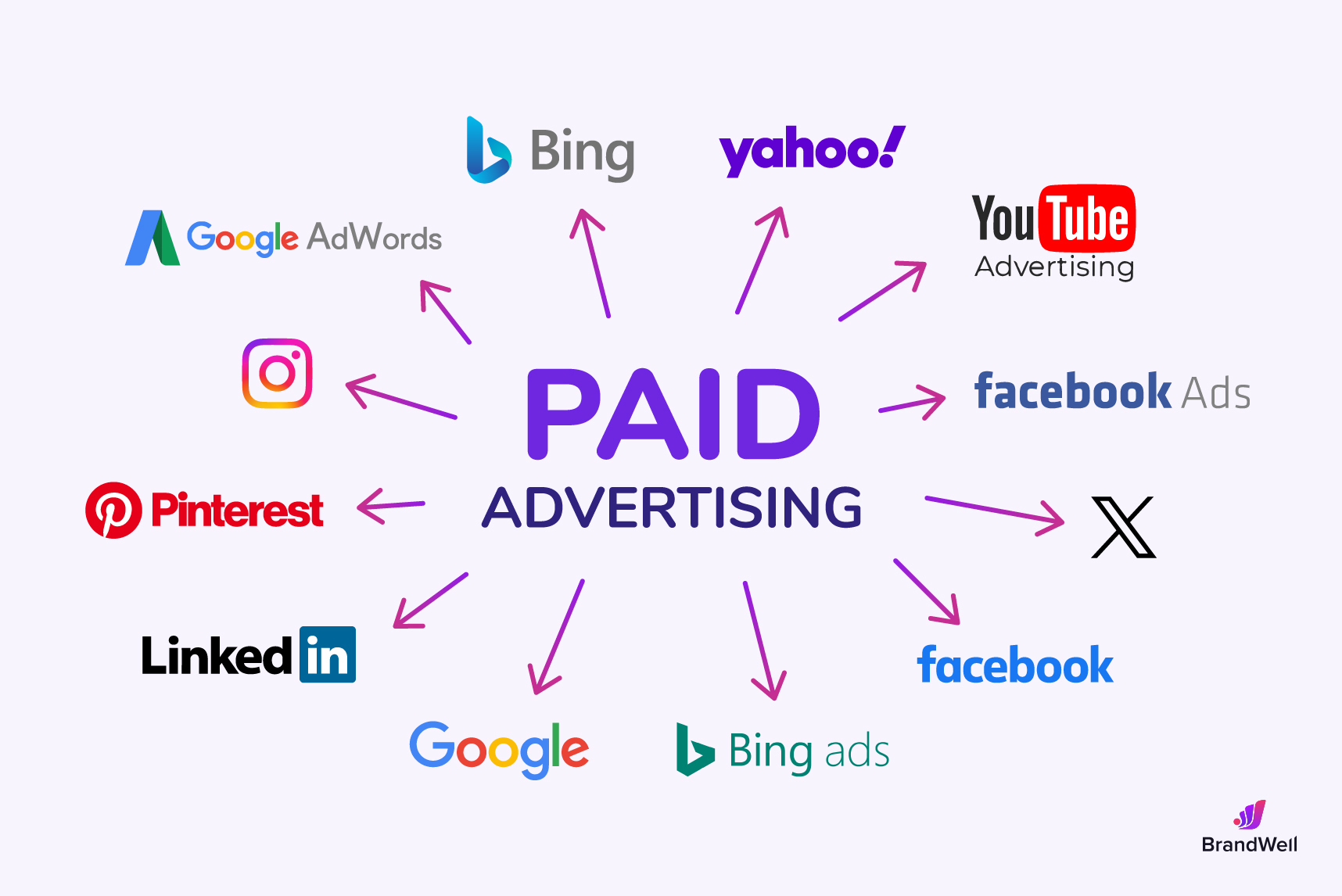
It can take many forms: Google search ads, Instagram stories, TikTok video ads, YouTube pre-rolls, LinkedIn sponsored posts, and more. What they all have in common is this: you’re investing money in exchange for reach, engagement, clicks, or conversions.
Why Paid Marketing Is So Effective
The biggest strength of paid marketing is control. You decide who sees your message, how much you spend, and what kind of results you want to achieve. Want to target 25–35-year-olds in Amsterdam who recently visited your website? You can. Want to promote a new product to people who’ve already purchased from you in the past 6 months? Easy.
Paid campaigns also provide clear and immediate feedback. You’ll quickly know what works and what doesn’t. And once you find a winning formula — the right audience, message, and creative — you can simply increase your budget to scale your results.
Choosing the Right Platforms
Not every platform works for every brand. For example, if your business is built around visual products like fashion or design, platforms like Instagram, TikTok, and Pinterest are ideal. These channels reward creativity and have highly engaged user bases.
If your goal is to capture people actively searching for a solution, Google Ads is still the king. With search ads, your brand appears right when someone is looking for your product or service. It’s high intent, which often means higher conversion rates.
For B2B companies or professional services, LinkedIn Ads offer unmatched targeting by industry, company size, job title, or seniority. YouTube and Facebook remain powerful for storytelling, retargeting, and building trust through longer-form content.
Campaign Types That Drive Results
The type of campaign you choose should match your objective. If you want to generate leads, running a lead form ad on Facebook or LinkedIn might be the best move. If you’re looking for direct sales, Google Shopping or Meta conversion ads could be more effective.
Retargeting is another important strategy. These campaigns focus on people who already interacted with your brand — maybe they visited your site, clicked an ad, or added something to their cart. Retargeting brings them back when they’re most likely to buy.
Awareness campaigns, on the other hand, are great for reaching new audiences. These are especially helpful for product launches, events, or rebrands. While they don’t always drive immediate conversions, they build familiarity and can increase performance over time.
How to Build a Winning Campaign
Every successful paid campaign begins with a clear objective. Before you write copy or design your ad, you need to define what you’re trying to achieve. Are you driving traffic? Generating leads? Pushing conversions? Promoting a video?
Next comes audience targeting. The more specific you can get, the better. Use the tools each platform offers to refine your audience based on interests, behavior, demographics, and even past actions on your website. The goal is to reach people who are not just likely to click — but likely to convert.
Then there’s the creative — the visual and written part of your ad. This is where attention is won or lost. Your visuals need to stand out, especially on social platforms where users scroll fast. The copy should be clear, persuasive, and aligned with the message on your landing page.
Speaking of landing pages, they matter just as much as the ad itself. A great ad that leads to a slow or confusing page is a missed opportunity. Make sure your landing page loads fast, matches the message of the ad, and has a simple next step (like a sign-up form or product button).
Tracking Performance and Optimizing
Once your ad is live, the real work begins. You need to track how it performs — not just in terms of impressions or clicks, but conversions, cost per acquisition, and return on ad spend. Tools like Google Analytics, Facebook Ads Manager, or third-party platforms like Hyros or Triple Whale can help you get deeper insights.
Optimization is all about improving performance over time. This might mean testing different headlines, changing audience segments, updating your call-to-action, or even switching platforms. The key is to keep experimenting until you find what works.
Another powerful tactic is setting up remarketing campaigns. These ads target users who didn’t convert the first time, giving them another chance to engage with your brand. This often leads to better conversion rates and lower costs.
Common Mistakes to Avoid
One of the biggest mistakes businesses make is launching a campaign without a clear strategy. Jumping in without testing your audience, copy, or offer can lead to wasted budget and low results. Another mistake is relying too heavily on one platform. Diversifying your paid channels helps reduce risk and opens up new growth opportunities.
Many advertisers also ignore the creative side. You can have perfect targeting, but if your ad looks boring or confusing, it won’t perform. Lastly, don’t forget about tracking. Without clear data, you’ll never know if your campaign is truly working.
The Future of Paid Marketing
As privacy regulations evolve and platforms like Apple and Google limit tracking, paid marketing is shifting. First-party data (like email lists or purchase history) is becoming more valuable than ever. Creative is also becoming more important — attention is now the currency, and if your ads don’t grab it, they’ll be ignored.
AI is already playing a big role in campaign management, ad creation, and audience targeting. Tools like Meta Advantage+ and Google Performance Max use machine learning to optimize results automatically. Still, the best results come from combining automation with human creativity and strategy.
Final Thoughts: Paid Marketing Is a Growth Engine
Paid marketing gives you speed, control, and data — three things every growing business needs. But it’s not a magic button. You still need the right strategy, creative, and constant testing to unlock its full potential.
If you want faster growth, paid marketing is one of the smartest investments you can make. Start small, learn fast, and scale what works. With the right approach, your next customer is just one click away.